Ellesmere Port's History
Overview
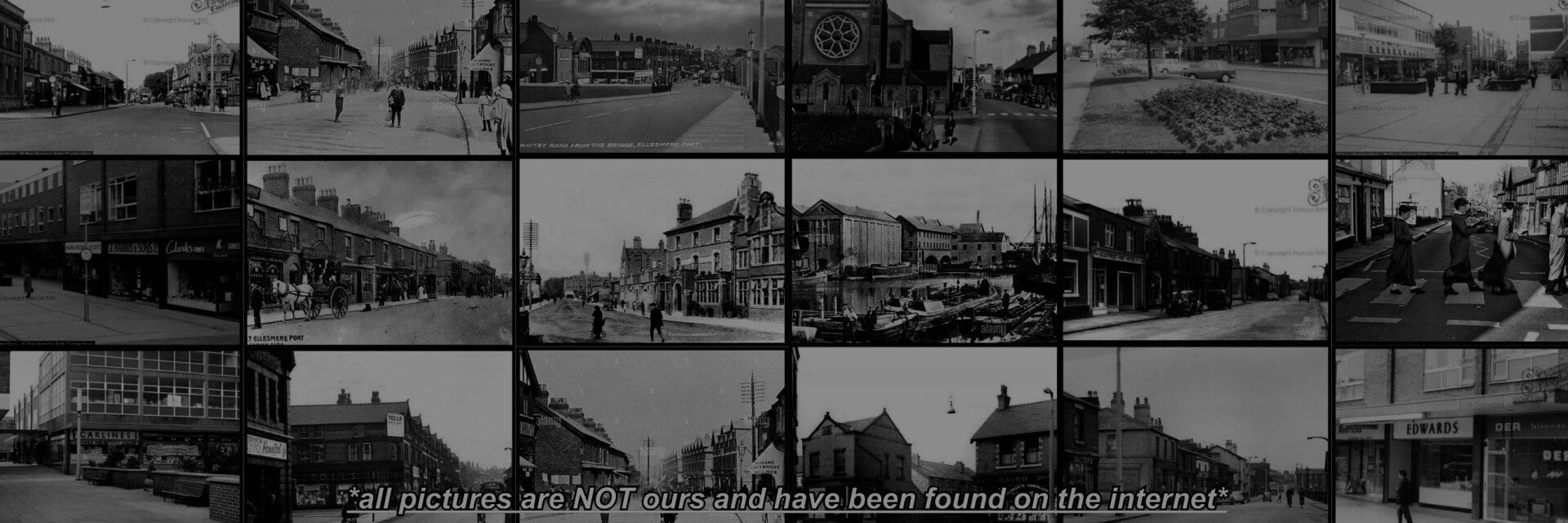
Ellesmere Port is a town in Cheshire, England. The town is most known for its industrial history, such as the Stanlow Oil Refinery and the Vauxhall Motors factory. Ellesmere Port is also known for the Cheshire Oaks Designer Outlet, the Blue Planet Aquarium, and the unpretentious town centre. Some historical landmarks admired in Ellesmere Port are the Joseph Groom Towers, Westminster Bridge, and the Civic Hall. The Joseph Groom Towers and Westminster Bridge were built before the Civic Hall in 1965, making it 60 years old. The popular local venue (the Civic Hall) opened in 1955, with its foundation stone laid in 1953. There is more in this article about these places!
Youth Clubs & Growing Up
To make this article possible, we interviewed many local people around Ellesmere Port who told us what the unique town was like.
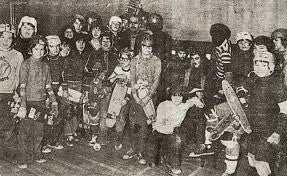
Cllr Jimmy Shannon, of Whitby Groves, told us that one of his favourite memories was attending a playscheme during the summer holidays whilst he was in high school during the 90s. The playscheme was called The Action Breakaway. Every summer holiday, for four weeks during August, James and other youngsters from all over Ellesmere Port would attend the Polygon. The Polygon was on the site of the newest school, which is now Ellesmere Port Church of England School. James remembers that every Monday, Wednesday, and Friday, the children and he would be picked up from home in old Ford Transit vans at 8am and taken to the Youth Centre. James describes being put into groups and doing several activities such as Laser Quest, canoeing, mountain climbing, orienteering, days out to Southport Beach, and his favourite, mountain biking. James said that the Youth Club meant he could have friends that he is still friends with today, 30 years later. The last year that Councillor Jimmy Shannon attended was 1996, when he was 15. He then went back when he was 18 to volunteer for the Youth Club, helping those who were disabled, including his little brother, who had spina bifida, which meant he was in a wheelchair. James says, “These days out were the happiest summers of my childhood, and it felt like the sun was always shining.”
Some residents told us that “police discos” used to be held in the Civic Hall. As well as these discos, there used to be Friday night discos at Hope Farm. Lots of residents told us these were the “best days.”
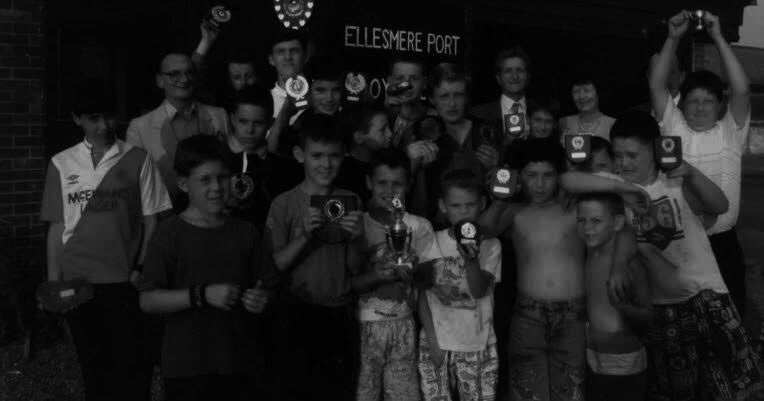
*picture is 'The Boyzee' Youth Club*
Ellesmere Port Market
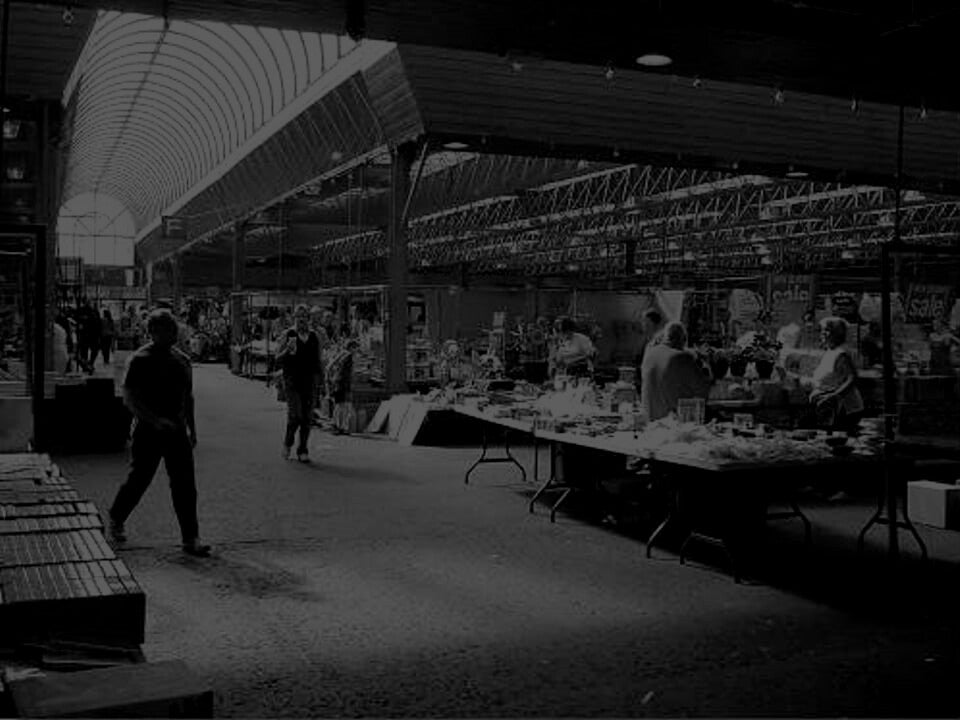
Ellesmere Port Market's website says that the market has “moved locations”, gradually moving south along with its shopping centre as the town expanded. To begin with, the first markets are thought to have been held in the early 1800s on waste ground at the “Bottom end”. Until the 1920s, it was then an open market at the northern end of Station Road, when it was moved to Reform Street. In 1928, it was moved to the end of Ellesmere Port Town FC football ground near York Road, and then as a six-day market near York Road in 1951. There were permanent buildings selling fresh goods and confectionery. Alongside these permanent buildings, there were also little stalls made out of scaffolding with plywood tops. In the early 1970s, more than 50 years after it was initially proposed, a new indoor market was built to the side of Lewis’ Hypermarket, opening up onto Wellington Road. The market was enlarged to double its size and refurbished in 1984. When the new Asda Superstore opened in 2006, the market moved into the former Lewis’ building.
*picture was taken off of Ellesmere Port Market's Website*
Jobs
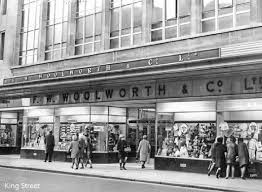
After speaking to many residents, one of the most popular jobs was working in retail. A resident has a fond memory of working in Woolworth’s in the town centre and using walkie-talkies between shops to communicate. They described it as the heart of community spirit in Ellesmere Port. “On Saturday, it was shopping day, I suppose. Everybody was downtown on a Saturday; it was always busy.”
A resident told us they worked doing a newspaper round when they were 13; they weren’t paid much, though. Their second job was at the “chippy” peeling potatoes, and they also had a secondary job alongside this doing the milk rounds at 14.
*picture is Ellesmere Port Woolworths, Rivington Road, 1968*
Children's Games
Some games that the younger kids used to play were kirby. A game that many residents described to us was when they would have a sleepover in a tent in their garden; they would go out early in the morning “pinching” the milk, or putting flowers in the tops of the milk bottles.
*picture is 'The Boyzee' Youth Club*
Reutlingen & Ellesmere Port
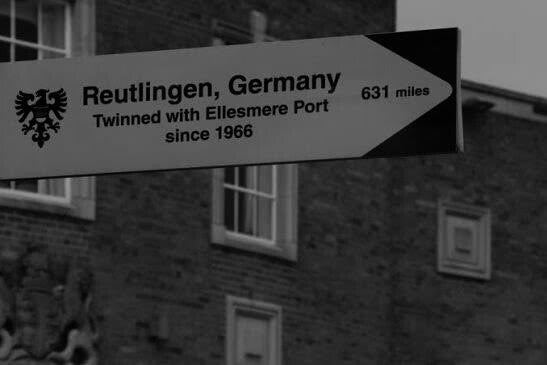
Ellesmere Port twinned with another town in 1966, Reutlingen, Germany. This year we celebrate our 60th year of partnering with the German town. Reutlingen prides itself on our partnership being their second oldest partnership. The link is in the hands of the Ellesmere Port / Reutlingen Friendship Group, which was created in 2010 after the new borough council declined to continue twinning agreements. Ellesmere Port Swimming Club, the Sea Cadets, Ellesmere Port Light Operatic Society, Willaston WI, the Special Olympics Club, the Scouts, and choirs from Ellesmere Port have had the chance to visit our twin town.
*picture taken off of Visit Reutlingen*
Ellesmere Port's Role in the War
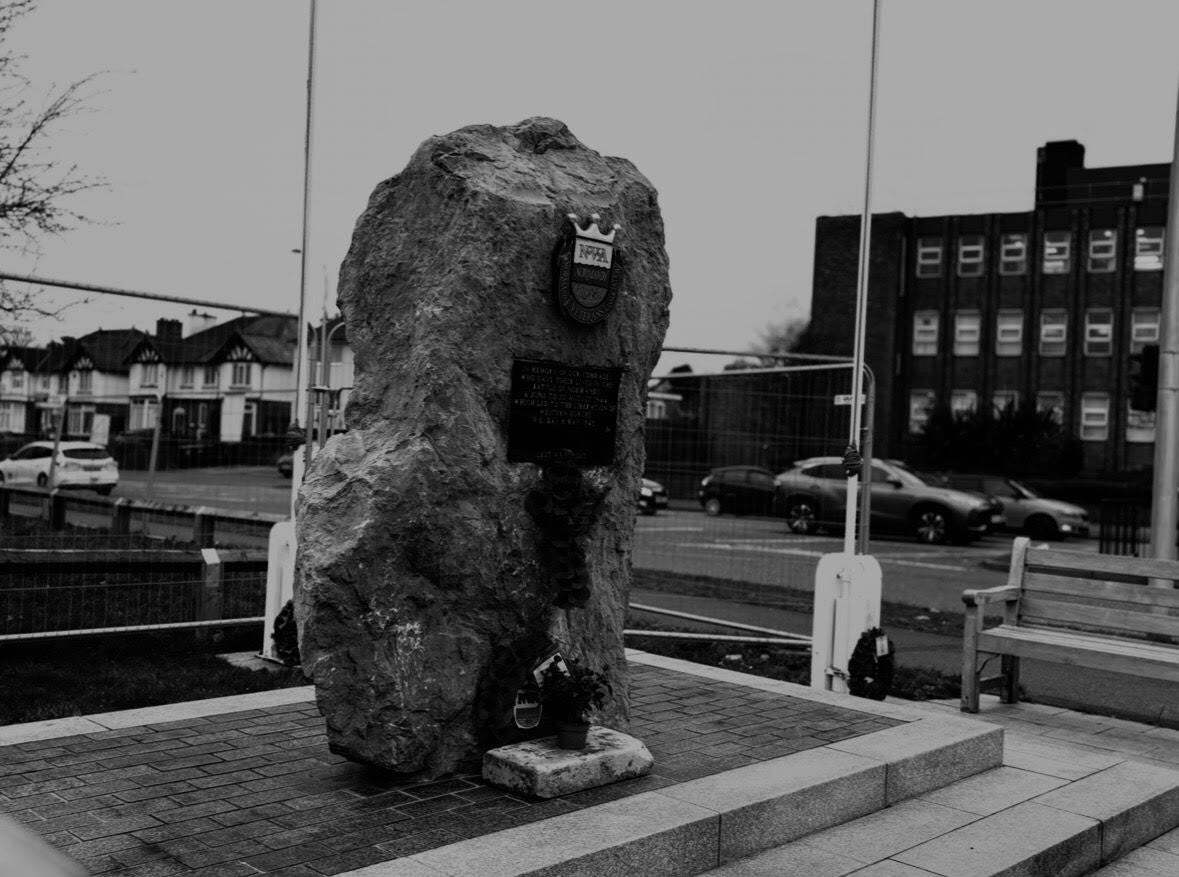
Ellesmere Port was established on July 1st, 1795, meaning it existed during both World Wars. Ellesmere Port's role in the World Wars was to serve as a vital industrial, chemical, and military training hub. Ellesmere Port had a factory that made major explosives, which was named H.M. Explosives Factory. In World War One, Ellesmere Port was home to RAF Hooton Park training airfield, where essential steel and welded equipment for ships and vehicles were produced. Ellesmere Port's role during wartime could be described as significant, as it had a large impact. Hundreds of local men from Ellesmere Port joined the Cheshire Regiment, known as the "Glorious 514." Unfortunately, Ellesmere Port was attacked during WWII. A recorded air raid took place from the night of Sunday, October 27th, 1940, to Monday, October 28th, 1940. During the war, bomb disposal teams had to deal with unexploded bombs in the area. Our town war memorial commemorates residents who died in both the First and Second World Wars. LEST WE FORGET.
*picture taken by Jake Cliff*
Ellesmere Port's Cheshire Oaks
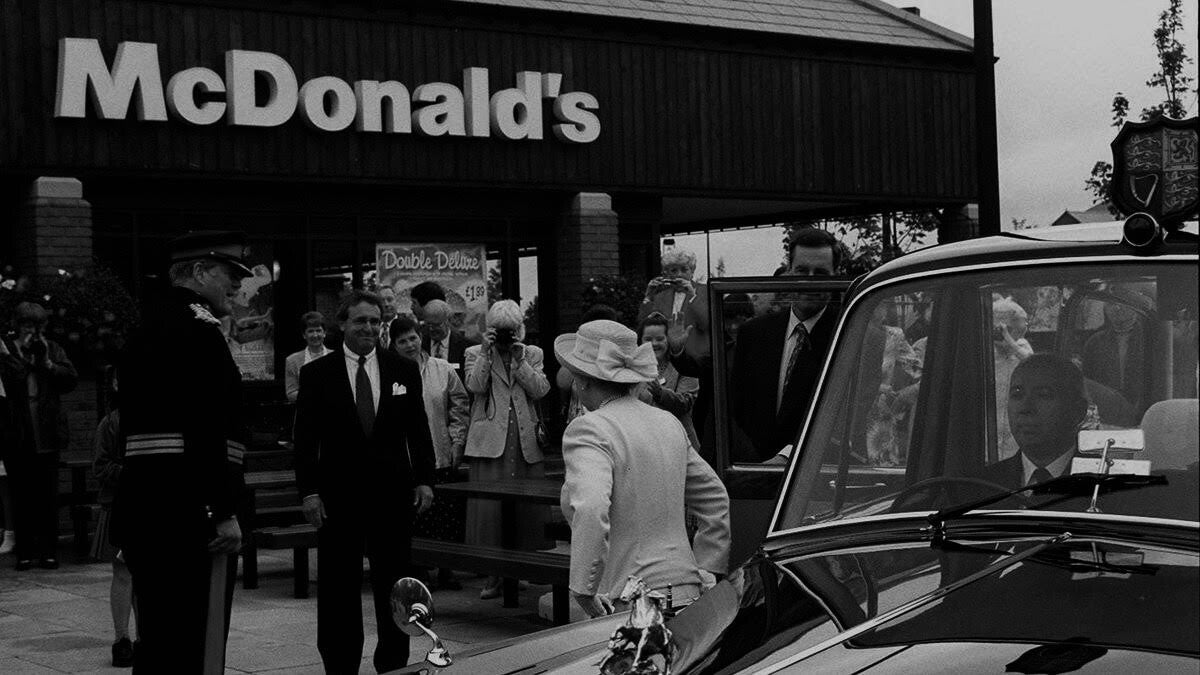
McArthurGlen Cheshire Oaks is one of the best places in Ellesmere Port. Let’s look into the history. Cheshire Oaks opened in March 1995, starting out with 24 stores. Cheshire Oaks is the UK’s first and remains the largest designer outlet, which is a big deal for Ellesmere Port. The “Oaks” originated as a pioneering project to provide an outlet for brands to clear last season’s stock. Between 1995 and 1998, the site expanded to become the largest in Europe at the time. In 1998, Ellesmere Port welcomed the monarch at the time, Queen Elizabeth II. The Queen opened Cheshire Oaks McDonald’s. Since then, the popular attraction has grown in popularity, and many people visit. Cheshire Oaks also prides itself on attracting millions of visitors annually and having the UK’s largest artificial Christmas tree, which is an impressive 90 feet tall.
*picture taken off of Liverpool Echo*
Famous People - Ellesmere Port
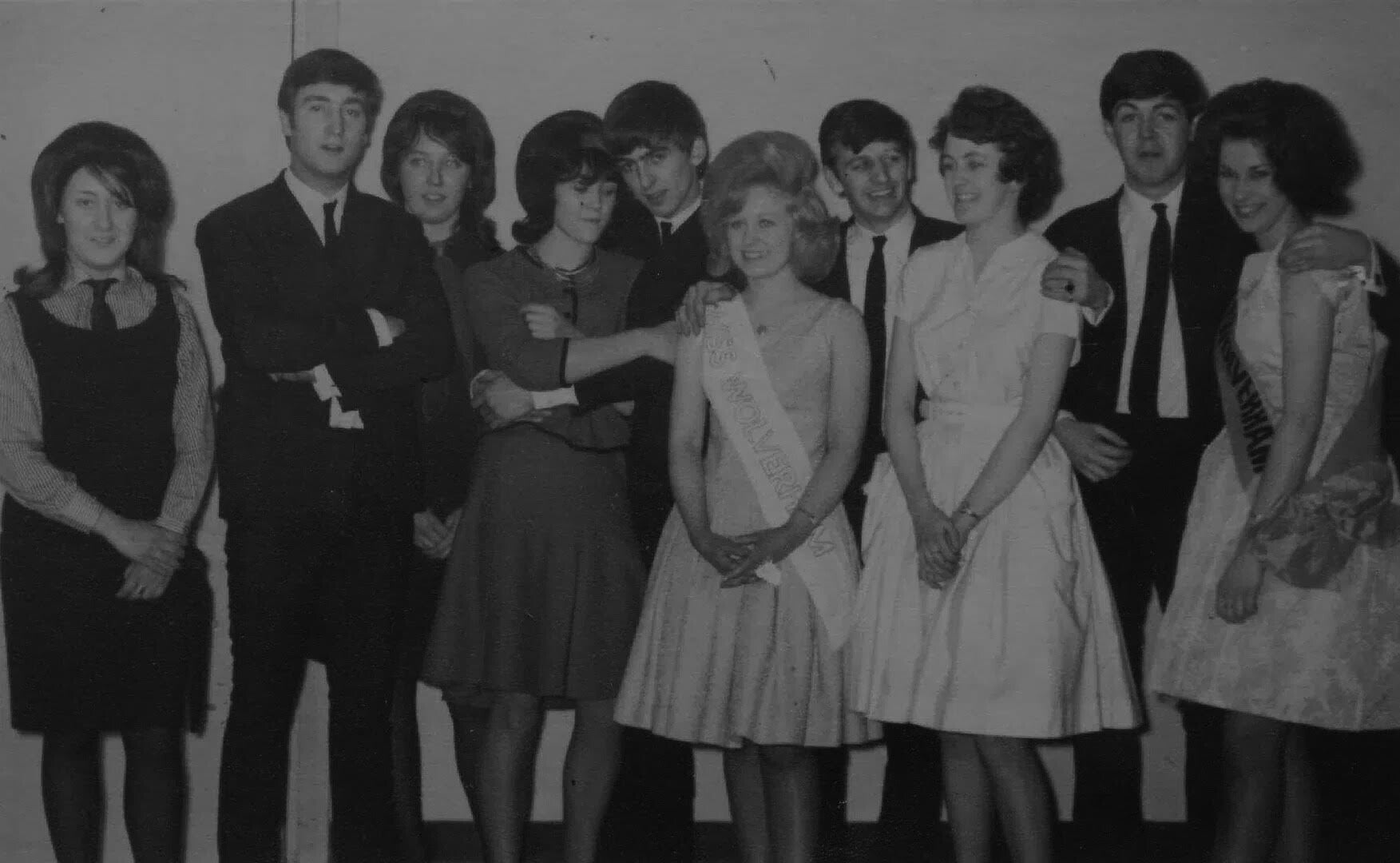
Ellesmere Port has had some famous people live here, be born here, or be closely associated with our small town. Some individuals are Russ Abbot, a musician and comedian; Lee Latchford-Evans, a singer, dancer, and stage actor; Jenny Tinmouth, a motorcycle racer and holder of a Guinness World Record; Lillian Beckwith, an author who wrote novels based on her life; and Mark Lecky, an author and game developer. John Lennon of the Beatles also had some connections to Ellesmere Port - he was in my Nan’s class at school!
*picture taken off of Ellesmere Port Memory Lane FB group*
Ellesmere Port's Town Centre
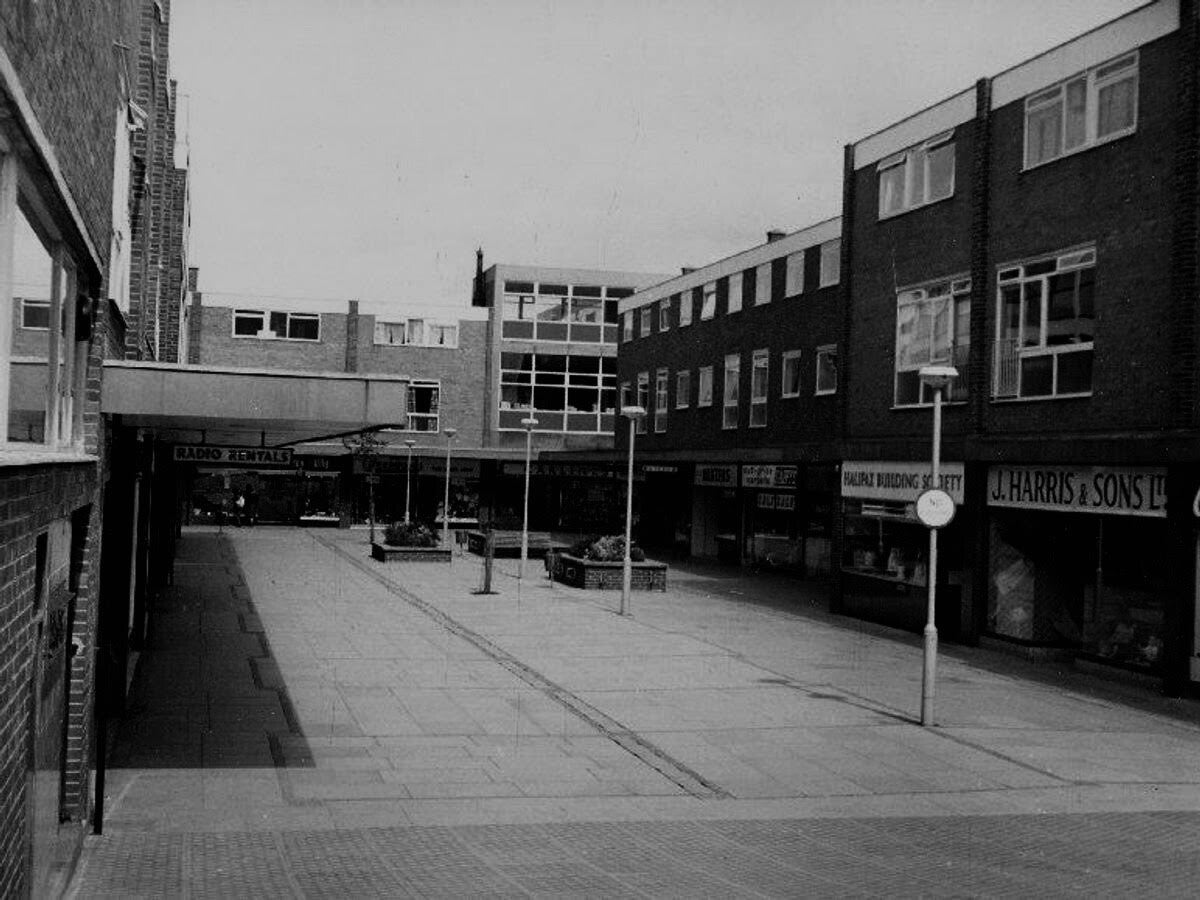
Our town centre is currently being worked on, as many residents think it is outdated, but it wasn’t always like this. Let’s take a look at what it used to be! Civic Way, our current bus station, used to be a public road, and our original bus station was where the Portal Council Offices buildings are now. This changed in November 2020 as part of a £16 million regeneration project. Before the main entrance of the Civic Hall was built, it was just the stage hall. The main entrance we know now was built in 2002.
In 2017, the shops were as follows: Home Bargains, Halifax, Age UK, Local Federation of the Blind, CoolTrader, Holland & Barrett, The Carpet Co, Rectella Pure Inspiration, CEX, British Heart Foundation, Specsavers, Bonmarche, Cash Generator, Hollywood Nails, Wilko, Branded Clothing, Iceland, Pizza Hut, H&T Pawnbrokers, Subway, The Salvation Army, Hays Travel, Boots, Timpson Dry Cleaning, Greggs, Silvers Amusements, Domino’s, Sayers, Ladbrokes, Papa John’s, Yorkshire Bank, Lloyds Bank, Rowlands Pharmacy, Farmfoods, Poundstretcher, and more.
A big star, and one that residents say we need back, is McDonald’s. A resident described it as having two floors, with the upper floor featuring a play area and Ronald McDonald-themed chairs and tables. In 2009, ASDA was where it is now, and the market was where the Port Arcades is currently located.
*picture taken off of Cheshire Live*
The Port Arcades
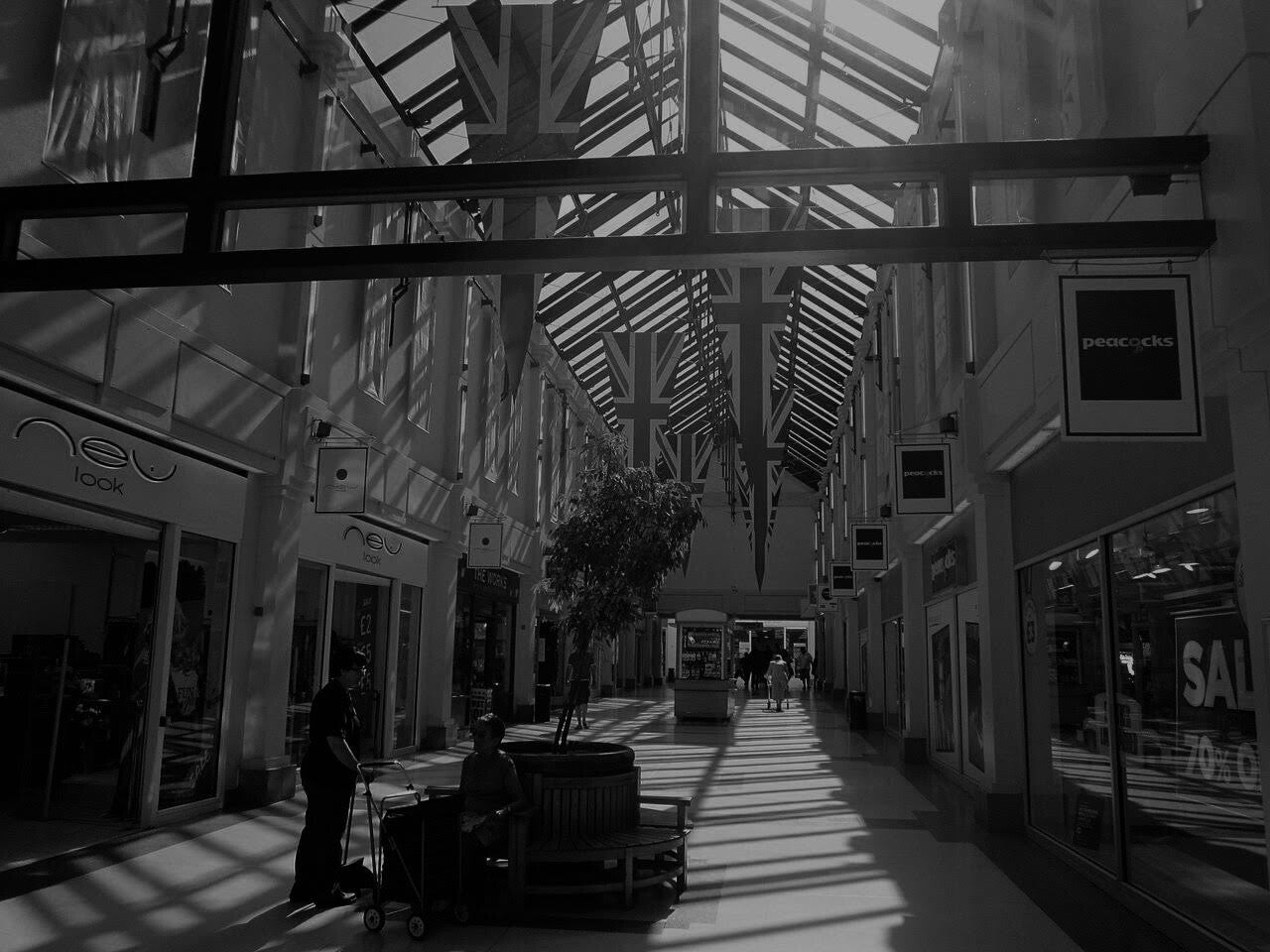
The Port Arcades were built around the 1980s as a large shopping centre, as it is now. Before the 1980s, Ellesmere Port saw its transition from an industrial base to more of a retail-oriented community. When it was first built, it was connected to the ASDA supermarket. The Port Arcades make Ellesmere Port Town Centre what it is today, but before that, we had market stalls scattered over the streets - and that was the residents’ version of a town centre.
In recent days, many have said it's not as busy or lively a place. Nobody knows exactly when that changed, but we can see over the years the rapidly decreasing footfall. After speaking with many elderly residents at previous events, they have told us that something needs to be done about the town centre. One resident described how they went to the town centre every single day - except Sundays, which was the owner’s day of rest. The first shops to set up units in the all-new centre were Argos, TJ Hughes, and Allsports, showing how successful the centre was.
*picture taken off of Wikimedia*
Ellesmere Port's Station Hotel
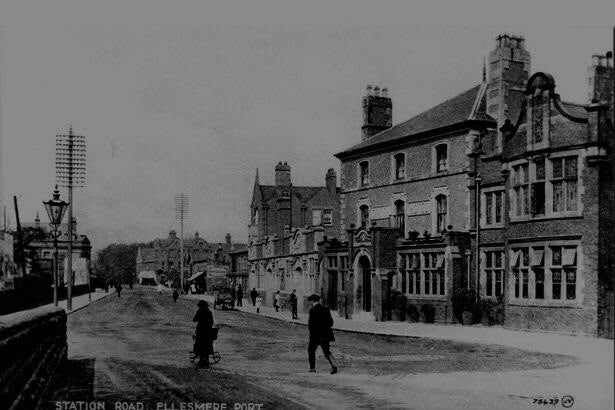
In the 1870s, which was once home to one of the longest bars in the country—The Station Hotel—opened to the public. The Station Hotel was a well-known historic pub and one of the most popular in Ellesmere Port. The pub had an extension in 1912, which made it the longest bar in the country, but the whole pub later closed in 2017 after the business declined. Its original name was the “Railway Commercial Hotel,” but it changed its name in 1908, when the extension on the right was built. The owner was John McGarva, and the pub was locally known as “McGarva’s Railway Hotel.” Since its closing, it is now a derelict building, and as far as we know, there are currently no plans for its future. Ellesmere Port non-profit community group Messy Mischief Makers told us they were next door at the Creation Centre in 2018, but left after the pub was sold to another person, and were forced to relocate.
*picture taken off of Cheshire Live*
The Joseph Groome Towers
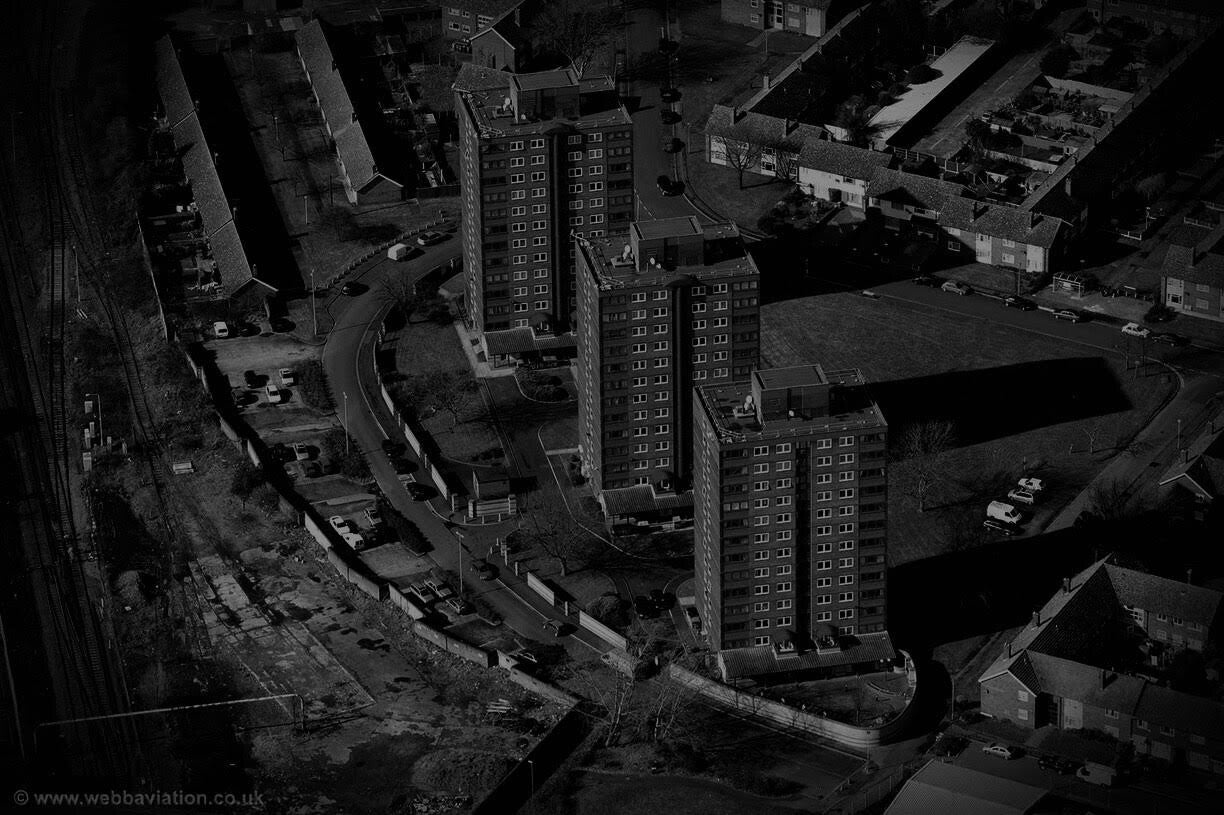
The most iconic landmarks in Ellesmere Port are the Joseph Groom Towers. Three red towers that actually have a deeper meaning – let’s have a look into them. In 1965, the thirteen-storey flats were built. The 40-metre-high towers housed over one hundred and thirty-three people. The completion of the “Joey Groom Towers” later came in 1967. The blocks have dominated the Port, and it is believed that they are the highest structural buildings in Ellesmere Port. After the Grenfell fire, the towers were fitted with sprinklers. They have no external cladding. Managed by ForHousing, it is a popular place for housing. The Ellesmere Port flats tower over the Shropshire Union Canal and Liverpool. There is photo evidence of the construction, but we were not able to find it.
*picture taken off of Jonathan CK Webb / www.webbaviation.co.uk 2019*
Ellesmere Port Factories
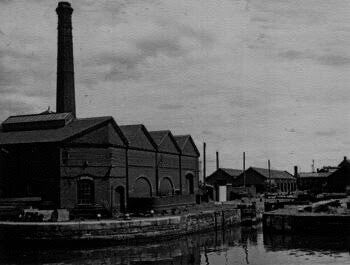
Some old Ellesmere Port factories and industrial sites are as follows: Ellesmere Port Docks & Pump House (1800), Stanlow Oil Refinery (1920), Bowaters Paper Mill (1950), Vauxhall Motors Plant (1960), Wolverhampton Corrugated Iron Co. (1905). People from Liverpool migrated to staff the Vauxhall Motors Plant when it first opened. A resident told us that in 1960, their mum came over because her dad got a job in the factory. The resident then went on to say, “Nan could take her pick at the houses on the Stanney.” It is believed by some that Wolverhampton Road was built primarily to house workers. Another resident said that their grandad came over from Liverpool in 1960. Their grandad came out of the army and got a job on a JCB, building Wolverhampton/Stanney. They asked for a house, got one, and still live there to this day.
*picture taken off of RCHS Online Media Archive*
Stanlow Island
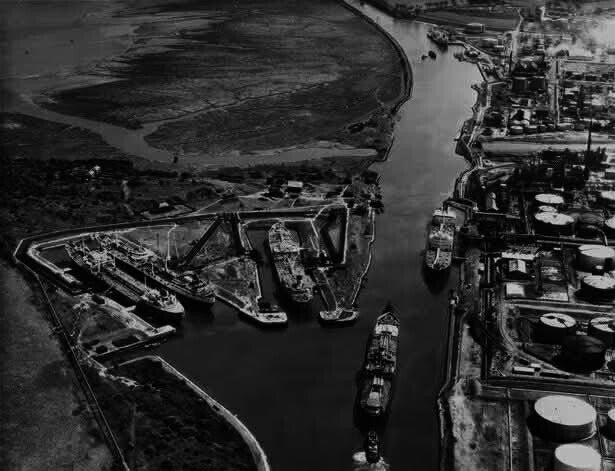
Stanlow Island is an abandoned, private island in the Manchester Ship Canal next to the Essar Oil Refinery. Residents used to know this place as “Stanlaw.” The island housed a 13th-century abbey and a small community, including refinery workers, up until the 1990s. In 1178, Cistercian monks founded the site but later relocated in 1296 due to issues with the Mersey location. Currently, the island is private property, derelict, and abandoned. It has also now been cut off from the Manchester Ship Canal. On this site, there is an abandoned police station and many ruins with sandstone walls.
*picture taken off of Liverpool Echo*
Ellesmere Port Schools
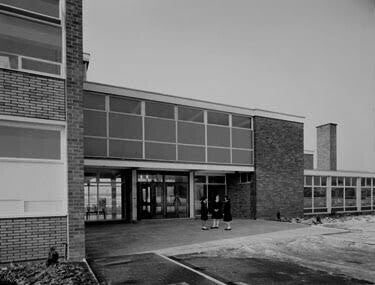
Ellesmere Port’s schools today are much different than the ones we used to have. Some primary schools are as follows: John Street School, Mansfield County Infant School, Mansfield County Junior School, Ellesmere Port C of E Primary School, and more. Unusually, the Mansfield County schools were located in different areas from Mansfield Road. Some high schools are as follows: Ellesmere Port Specialist School of Performing Arts, Stanney High School, Cheshire Oaks High School, John Street County Secondary Schools, Grange Secondary Boys’ and Girls’ Schools, and Sutton County School for Boys, all of which were located in Ellesmere Port, dating back to the 1950s. A resident told us that Whitby High School used to be a boys’ comprehensive school, and their dad went there. Most of the schools listed are no longer open.
*picture taken off of Cheshire image bank*
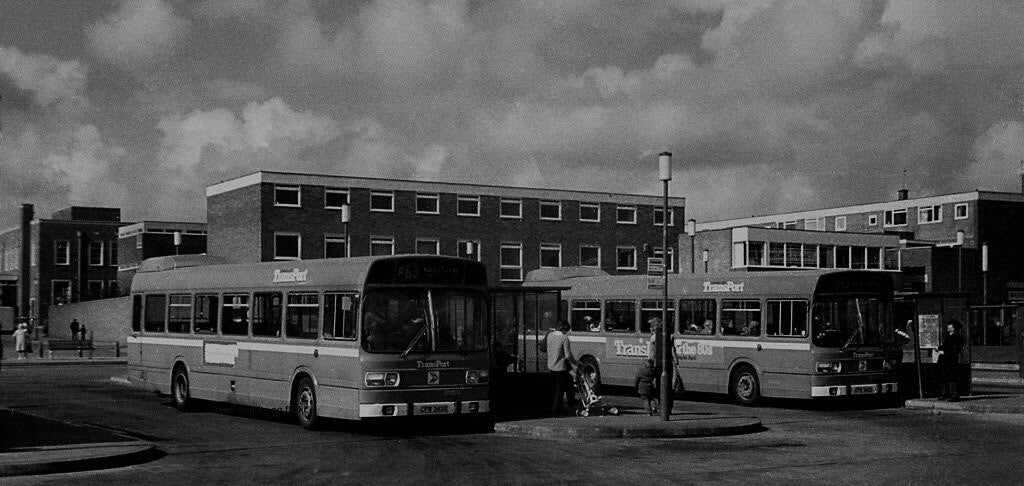
Transport & Getting Around
Getting around Ellesmere Port was a lot more difficult than it is now—sure, you could walk, but who wants to walk when you have new and latest technology? Canals and water transport were some of the most popular options when they first became available. The canals were connected to Chester, Liverpool, the Midlands, Wales, and Ellesmere, which made it easy for residents to go to different places. Railways arrived in the mid-1800s, making it even easier to get around. The train lines were connected to Liverpool, Chester, and Birkenhead. Trains were much quicker than canals. In the early 20th century came a popular bus company that operated for decades - Crosville Motor Services. Workers relied on buses to get to many different places, such as Stanlow Refinery, factories, and docks. Most routes were scheduled around when people started and finished their shifts. Before buses, many people biked - bikes were extremely common. After WWII, cars became more popular. The M53 was built to connect Ellesmere Port to the Wirral and Liverpool, which once again made commuting easier. Roads helped bring shoppers to Cheshire Oaks but unfortunately caused major traffic inconveniences and congestion. Children used to walk to school alone, which is now something many parents would not allow, especially those in early years. Ellesmere Port grew because of transport, and the way we lived was changed.
*picture taken off of Flikr*
Police Stations
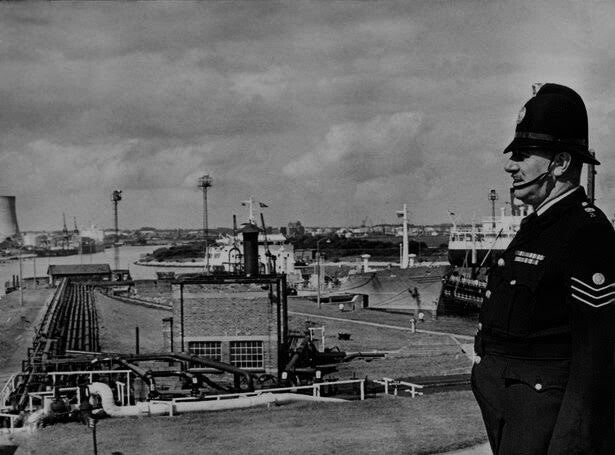
In the 1800s, before proper police stations, constables worked from their own homes or small rented rooms. This was common, as Ellesmere Port was still very small. The police worked on cases such as drunkenness, canal crime, small thefts, and keeping order around docks and pubs. John Street Police Station, based around the John Street/Whitby Road area, became the main base. The station included offices, holding cells, and living quarters for officers and their families. Whitby Road Police Station was the most well-known police station in Ellesmere Port, serving the town around the mid-20th century. It focused on factory-related incidents, domestic disputes, youth crime, and traffic offences. In the late 20th century, the decline of local stations was unfortunately seen, with fewer stations and more centralised police services, leaving Cheshire Constabulary located on Whitby Road. The old buildings were sold, closed, or converted to other uses.
*picture taken off of Cheshire Live*
Healthcare in Ellesmere Port
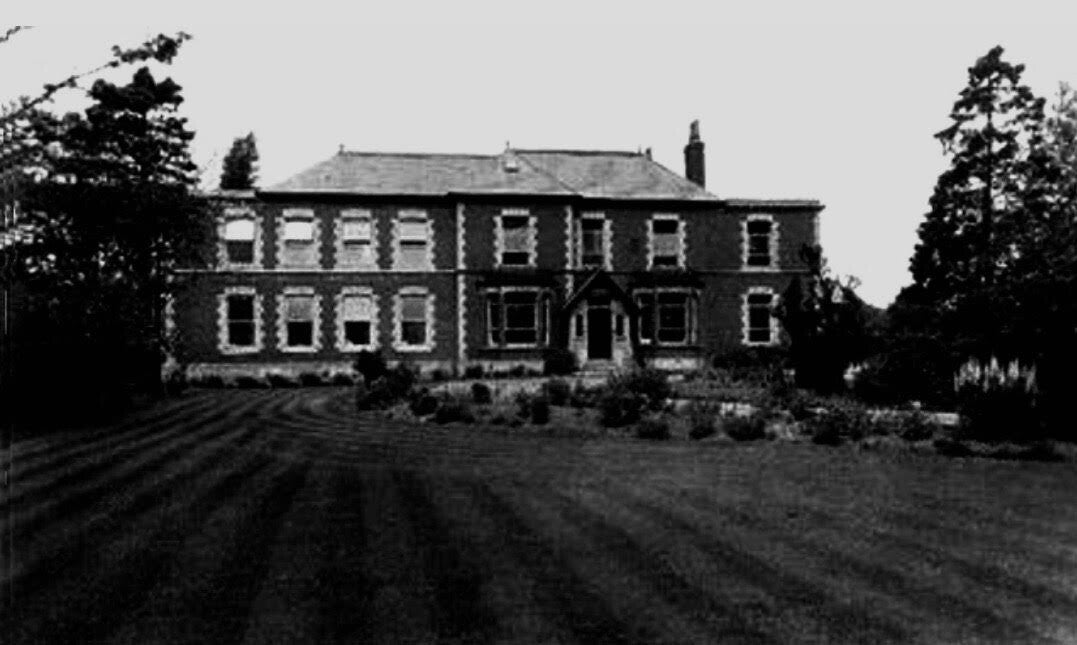
In the 1800s, Ellesmere Port did not have large hospitals. Most people relied on family care, local doctors (who were expensive), and midwives for births. Most babies were born at home, helped by a midwife, and unfortunately the infant mortality rate was higher than today. Survival often depended on luck, cleanliness, and family support. Factories did not help with health, and this is a problem that we see creeping up again today. Stanlow and other industrial sites created long-term health effects because of low air quality. As well as this, factory workers suffered injuries such as broken bones, chemical exposure, burns, and long-term breathing problems. In 1948, the UK saw the NHS become established, meaning healthcare was free, more organised, and more accessible. GP surgeries, clinics, and vaccinations became more common. Unfortunately, people with mental health conditions and disabilities were often sent to institutions, which is difficult to think about. Improvements in this area did not come until the late 20th century. Care for the elderly was also a major turning point, as care homes became more common. Before care homes, local churches and community groups helped residents who were vulnerable.
*picture of Cottage Hospital*
Ellesmere Port's Fire Services
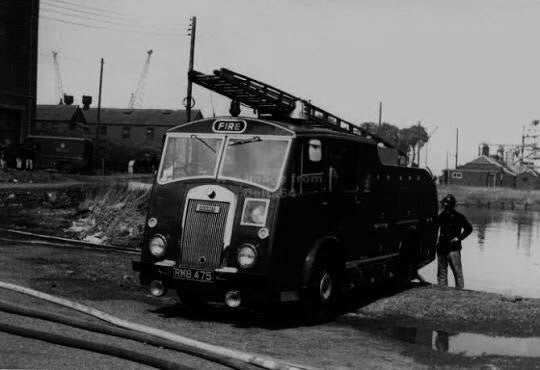
On 1 April 1948, the Cheshire County Fire Brigade was established. In its first year, the brigade attended over 1,500 emergency calls, including fires at mills, ships, and oil refineries. By the mid-1950s, Ellesmere Port saw a major change as the service improved its equipment and training. In 1974, local government changed the structure of many fire brigades, renaming the Cheshire Fire Brigade to the Cheshire Fire Service. In 2004, the name was officially changed to Cheshire Fire and Rescue Service, following the Fire and Rescue Services Act 2004. Today, Ellesmere Port Fire Station operates as a whole-time station.
*picture is Dennis F8 RMB475 - delta 64*
Politics in Ellesmere Port
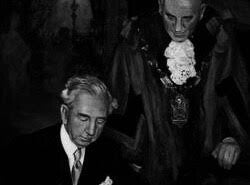
Ellesmere Port has a strong history in politics, but we will keep this extremely brief. The town became part of Ellesmere Port and Neston Borough Council, created in 1974, which played a major role in housing, regeneration, and planning. This was abolished in 2009. Ellesmere Port is now under Cheshire West and Chester Council. The Mayor of Ellesmere Port is an important role, representing the town at events and acting as a public figure. As I’m writing in February 2026, Cllr Katie Kendrick OBE, of Labour, is the current mayor. The MP represents Ellesmere Port in Parliament and speaks on national issues such as employment, healthcare, and transport. The town has mainly supported Labour MPs. The first MP was Mike Woodcock, who represented the area from 1983 to 1992. Ellesmere Port has not yet seen its first woman MP, which is a shocking fact. The first Mayor was Cllr J. W. Flather who served as Mayor of Ellesmere Port & Neston Borough Council, from 1955 to 1956. The title of Mayor of Ellesmere Port was created on April 1, 1972.
*picture off of Art UK*
Ellesmere Port Football
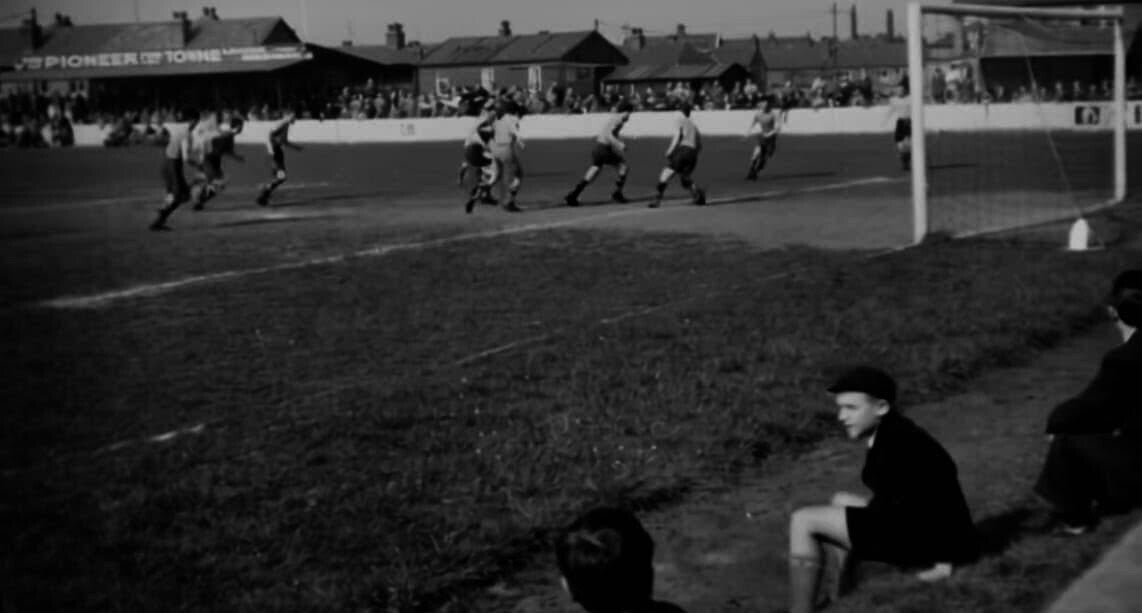
Ellesmere Port football was a massive part of the town’s history. Ellesmere Port had its own team, Ellesmere Port Town FC, which competed in local Cheshire leagues and cup competitions. The town had, and still has, many youth football teams that youngsters could join. One of the most famous football clubs in the town today is Vauxhall Motors FC, founded in 1963 by the Vauxhall Motors car factory. The club has participated in the Northern Premier League. Joe Mercer, a professional football player, played for Everton and Arsenal and later managed Manchester City with major success. His football journey began at Ellesmere Port Town FC. Joe also opened the town’s Port Arcades and has a street named after him, Mercer Walk. After WWII, a new Ellesmere Port Town FC was formed in 1948, playing on York Road, where Aldi is now located. Later, they played at Ellesmere Port Stadium on Thornton Road. In 1980, Ellesmere Port Town FC merged into Ellesmere Port & Neston FC before dissolving in 1989. In 1994, a new team was established once again, starting with only an under-6s team, and progressing as the years went on.
*picture off of Ellesmere Port Memory Lane FB group*
Ellesmere Port Greyhound Stadium
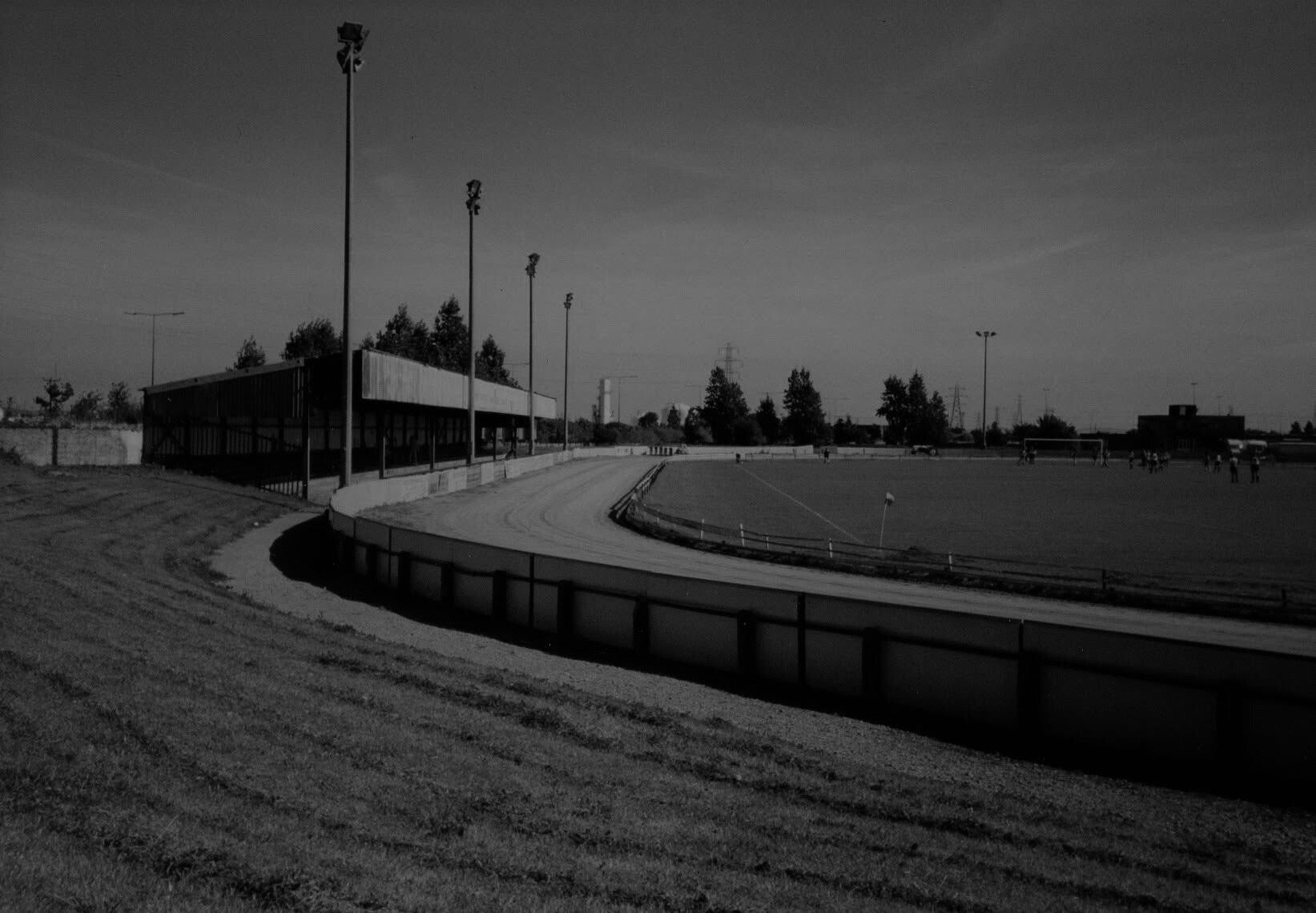
A 10-acre site located in Ellesmere Port was known as the Ellesmere Port Greyhound Stadium. The stadium was located on Thornton Road, but unfortunately closed in 2014. The site was redeveloped into a housing estate - Linden Homes. Joseph Mercer OBE opened the venue in 1968, and first started out as local football pitches. Almost 20 years later, the pitches were transformed into a Greyhound Racing grounds. 1988, a hound, named Go Ben Go won the very first race. The stadium was a popular place for people to go and watch the races, unfortunately was closed on June 1st 2014, when a hound named Rumple won the very last race.
*picture of stadium*
This article was written by Jake Cliff, 13 year old from Ellesmere Port. Any information you would like to use, please email me; but do not email if you are willing to rephrase the words. Share this with all of your friends & family, as we want to make sure that we can show Ellesmere Port's history to the town. The photos are not ours, any taken off of websites have been credited, if you want a photo removing, once again email me. I'm proud of myself because of what i've done, I hope you liked this roller coaster of 23 different sections. Any information is from local residents and online sources - all of this is 100% accurate. If you want any information adding to maybe a different one in the future, also email me.